In the Era of EU Packaging Regulation (PPWR): 4 Reasons Glass Is the Answer
2026-04-15
EU Packaging Regulations Are Changing in August 2026
The EU's new Packaging and Packaging Waste Regulation (PPWR), which entered into force in February 2025, will apply from August 12, 2026. This regulation significantly tightens standards across the entire packaging lifecycle — from design and production to recycling — and from 2030, only packaging rated Grade A through C will be permitted on the market.
For K-beauty brands eyeing European exports, packaging selection is no longer a marketing decision but a matter of market access itself.
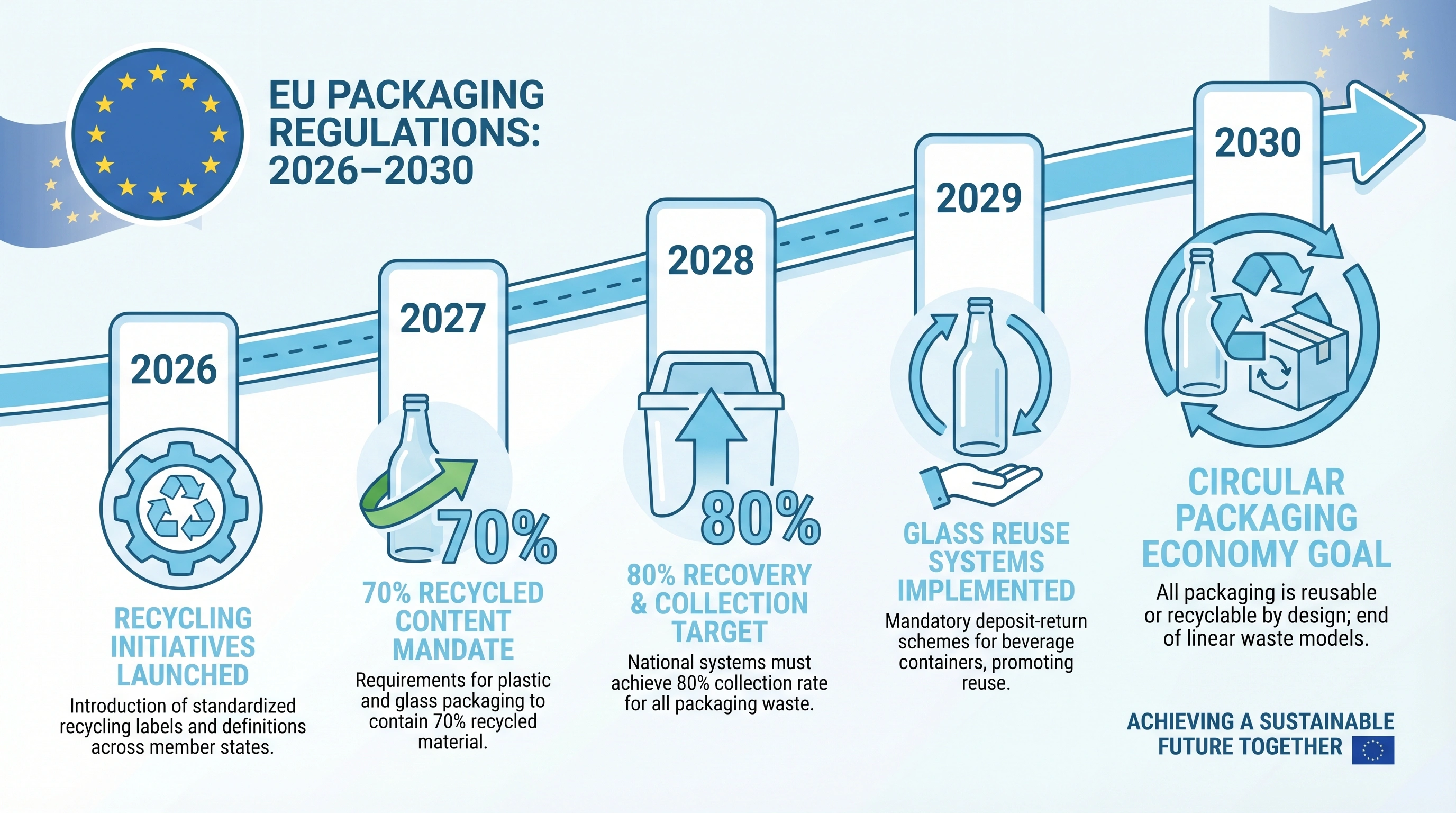
1. PPWR Key Timeline: What Changes When
The PPWR is implemented in phases. The table below summarizes the key milestones.
| Effective Date | Regulation |
|---|---|
| August 2026 | Declaration of Conformity mandatory, design-for-recyclability required |
| January 2030 | Grade D & E banned, glass recycled content minimum 50% |
| 2038 | Grade C banned (below 80% recyclability prohibited) |
From January 2030, only packaging rated Grade A, B, or C may be placed on the EU market. Grades D and E are banned entirely.
Cosmetics are classified as 'contact-sensitive packaging' with some relaxed provisions, but face stricter requirements for hazardous substance management and safety certification.
2. Glass Recyclability Advantage: A Perpetually Circular Material
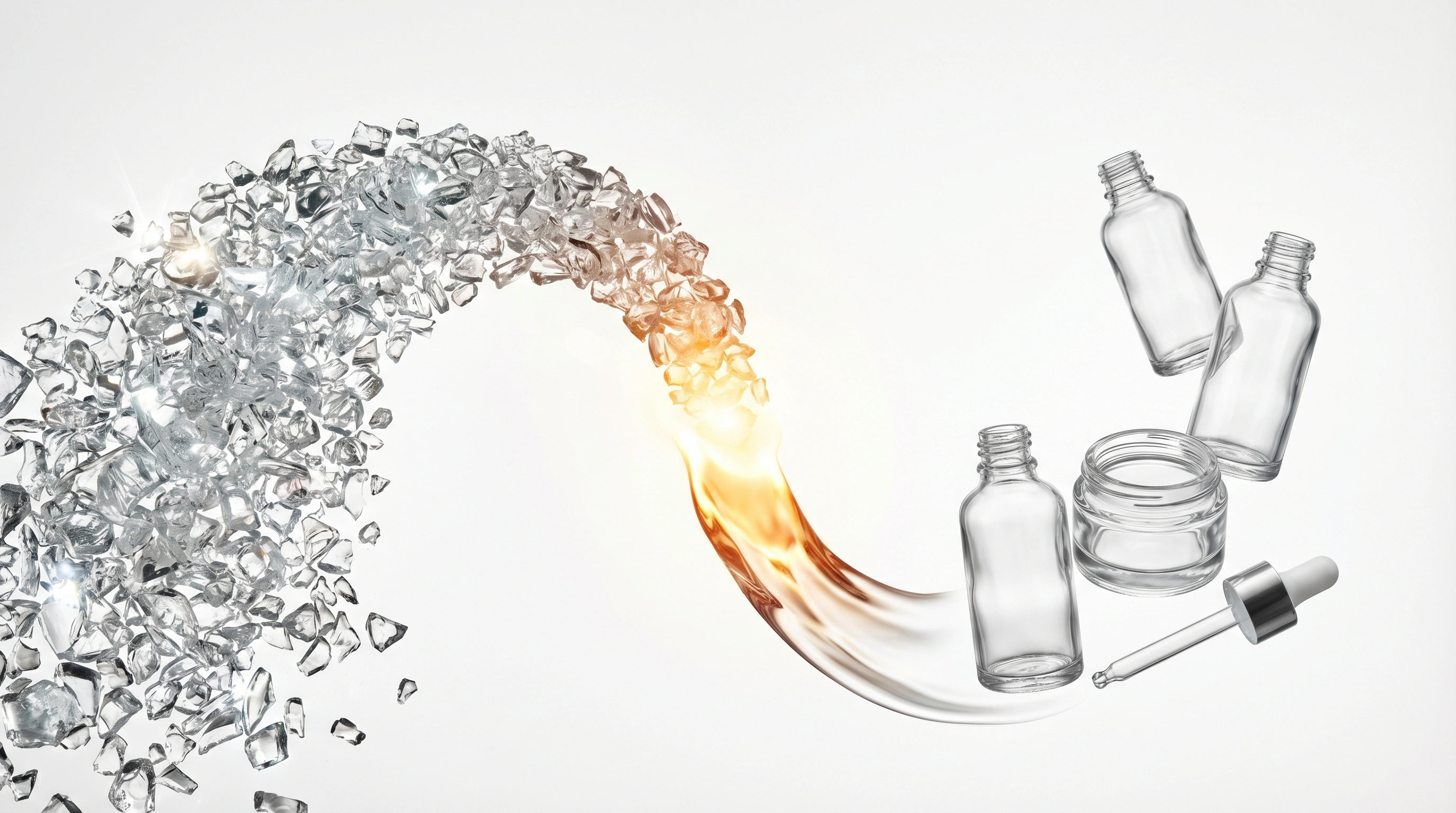
Glass is one of the few packaging materials that can be recycled infinitely without quality degradation.
- Plastic — molecular structure degrades with each cycle (downcycling), ultimately ending in incineration or landfill
- Glass — remanufactured into products of identical quality, no degradation
In PPWR's recyclability grading system, glass benefits from well-established collection, sorting, and recycling infrastructure, making it easier to achieve high grades.
Using clear glass and avoiding ceramic elements further improves recyclability compliance.
3. Glass vs Plastic: Recalculating Costs in the Regulatory Era
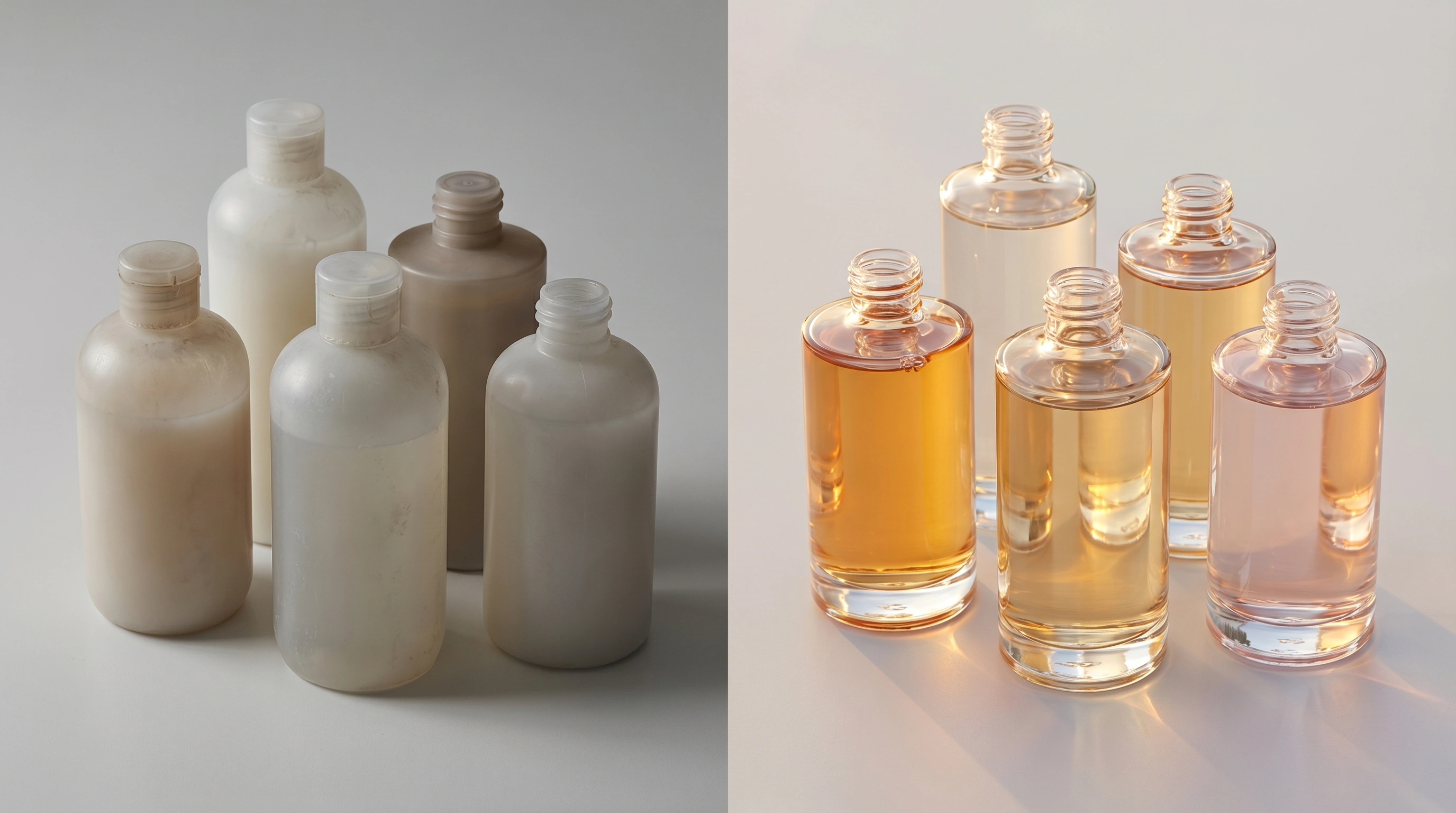
While glass containers have a higher unit cost than plastic, the total cost of ownership (TCO) equation shifts under PPWR.
| Factor | Glass | Plastic |
|---|---|---|
| Unit cost | Higher | Lower |
| EPR fees | Low (existing infrastructure) | High (increasing recycling levies) |
| Recycled content | Achievable (50%+ track record) | Difficult (mono-material redesign needed) |
| PPWR grade | Grade A–B achievable | Market exclusion if grade fails |
| Brand image | Premium positioning | Eco-perception disadvantage |
The cost-effectiveness of glass is particularly compelling for high-value, small-volume products such as 30–50ml serums and 15–50g cream jars.
4. K-Beauty European Exports: Achieving Compliance and Branding with Glass
With K-beauty exports to Europe recording double-digit annual growth, PPWR compliance has become an essential gateway for European market entry. Adopting glass containers enables brands to achieve regulatory compliance and premium positioning simultaneously.
- Replacing plastic adhesive labels with direct printing or ceramic prints improves recyclability scores
- JeongwooCos's 6 finishing options (frosted coating, color coating, PVD, printing, hot stamping, gradient) enable brand identity without additional labels
- Label elimination → advantage for recyclability grade compliance
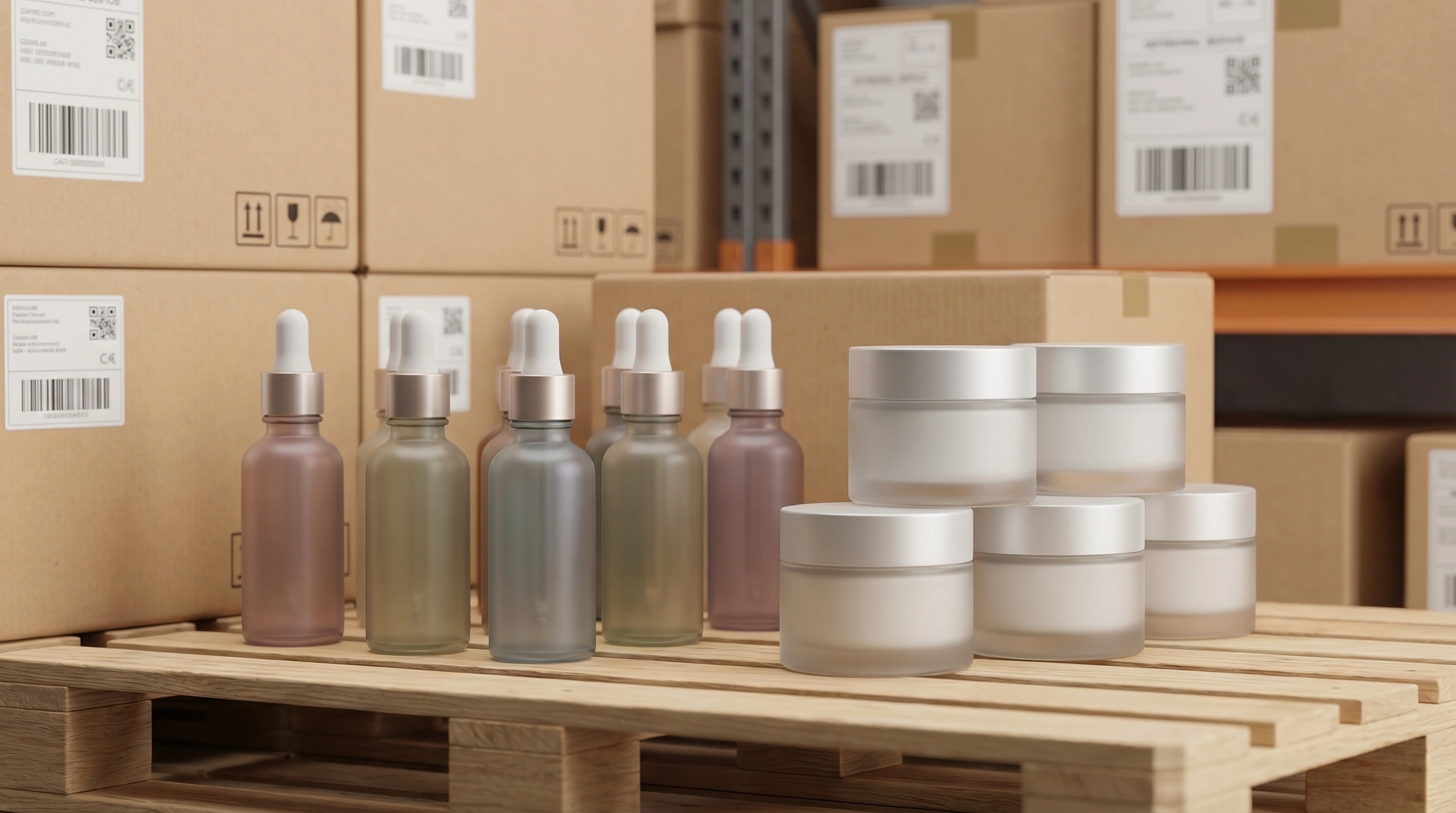
JeongwooCos manufactures clear soda-lime glass containers in-house and supports 6 label-replacing finishing options (frosted coating, color coating, PVD, printing, hot stamping, gradient). If you need PPWR-compliant packaging design, please reach out through our Contact page.

